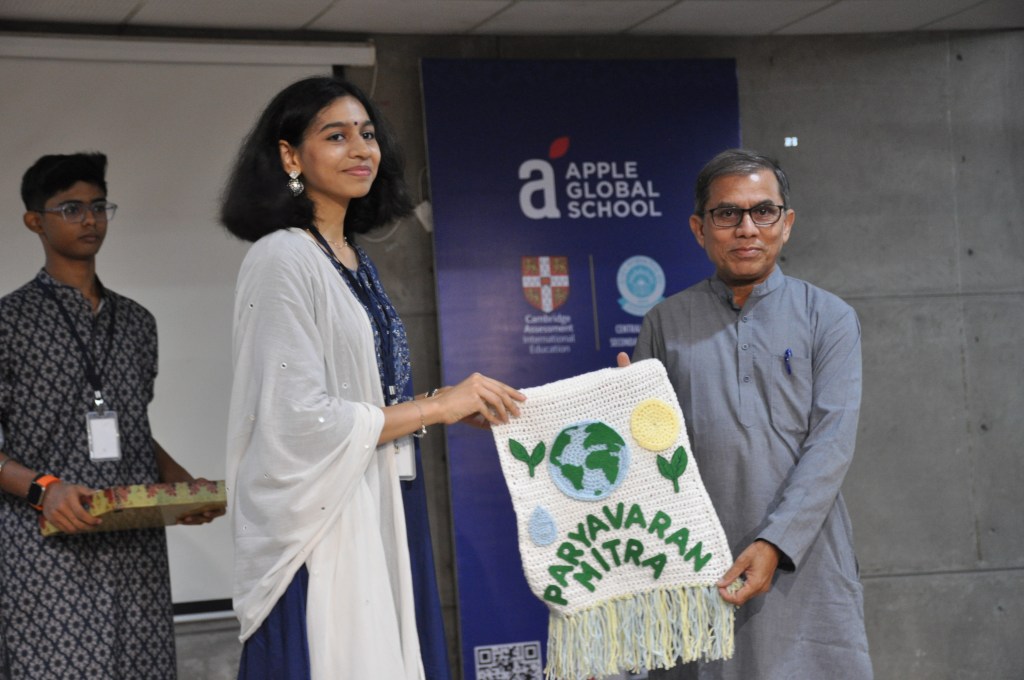
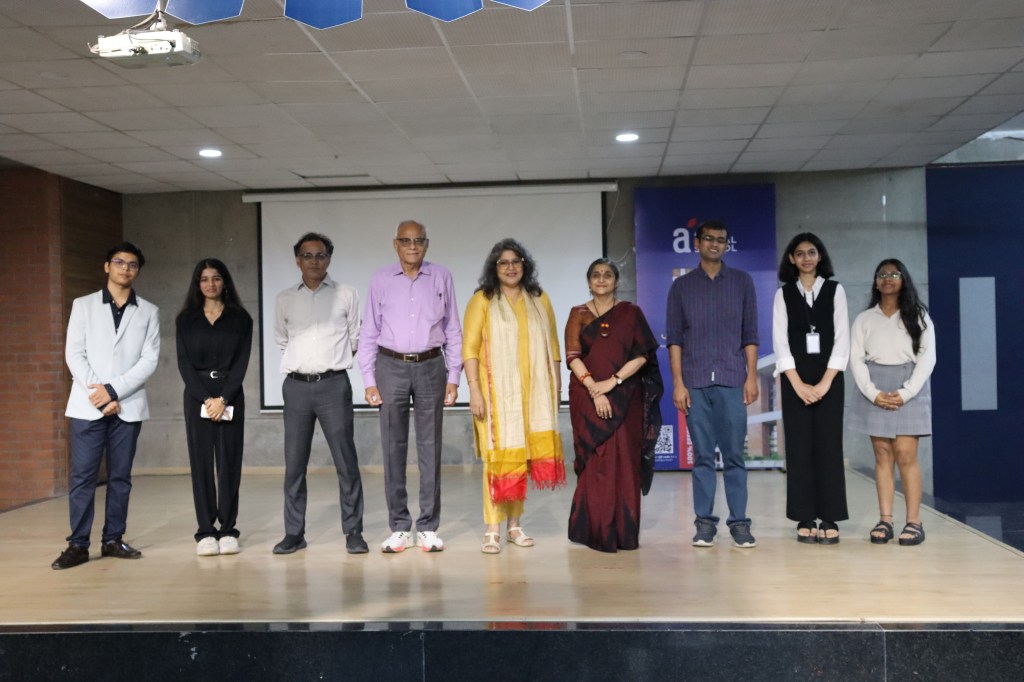
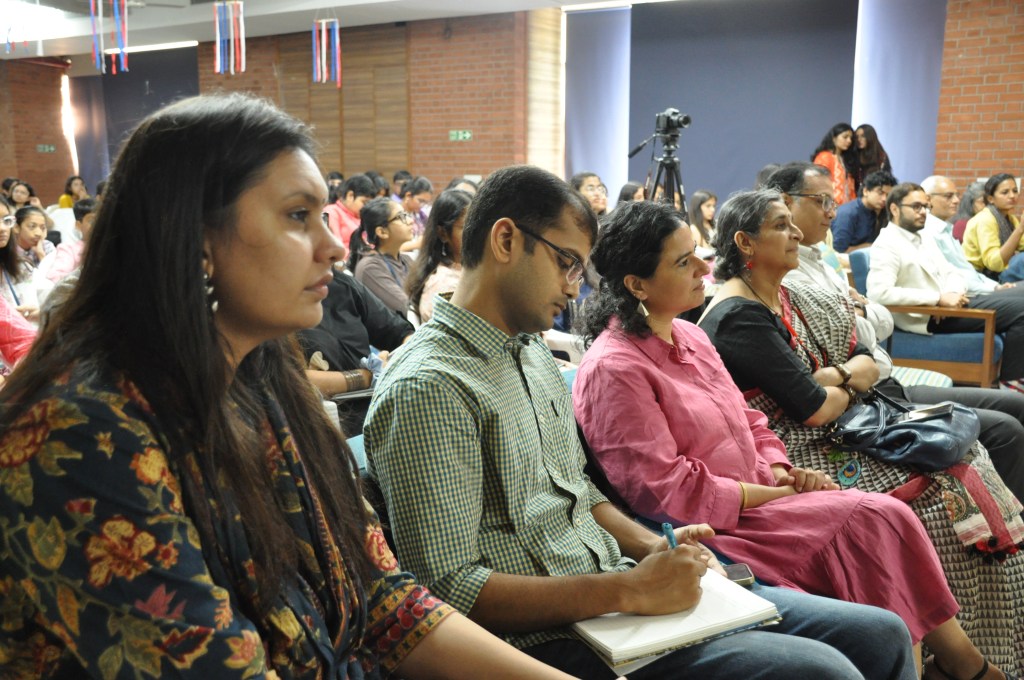
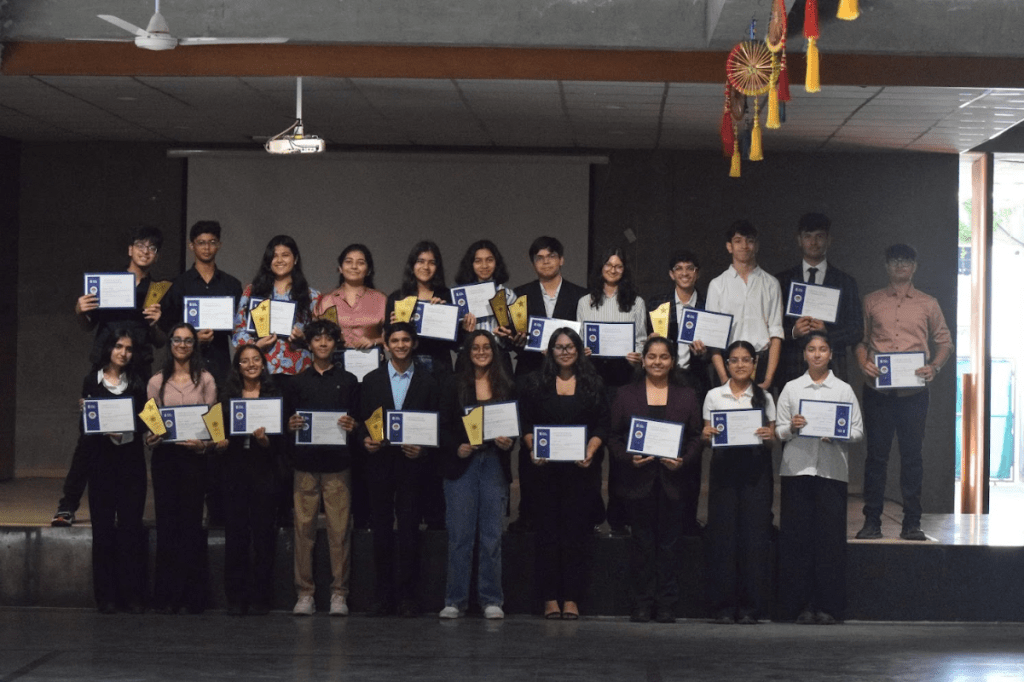
Model City Council x Apple Global School – 4th, 5th October 2025


Number of Schools: 15

Number of Participants: 140

Chief Guest(s) and Experts: Mr. Mahesh Pandya Sir, Mr. Param Shah Sir
Principal Nivedita Chakravarti Ma’am, Dr. Jwalin Patel Sir
Dr. Megha Bhatt Ma’am, Ms. Keren Nazereth Ma’am, Ms. Renu Pokarna Ma’am, Mr. Kumar Manish Sir, Dr. Bharat Patel Sir

Chairpersons:
Greener City– Nishita Agarwal, Blossom Mehta
Waste Management– Ananya Lokre, Vikrant Ahuja
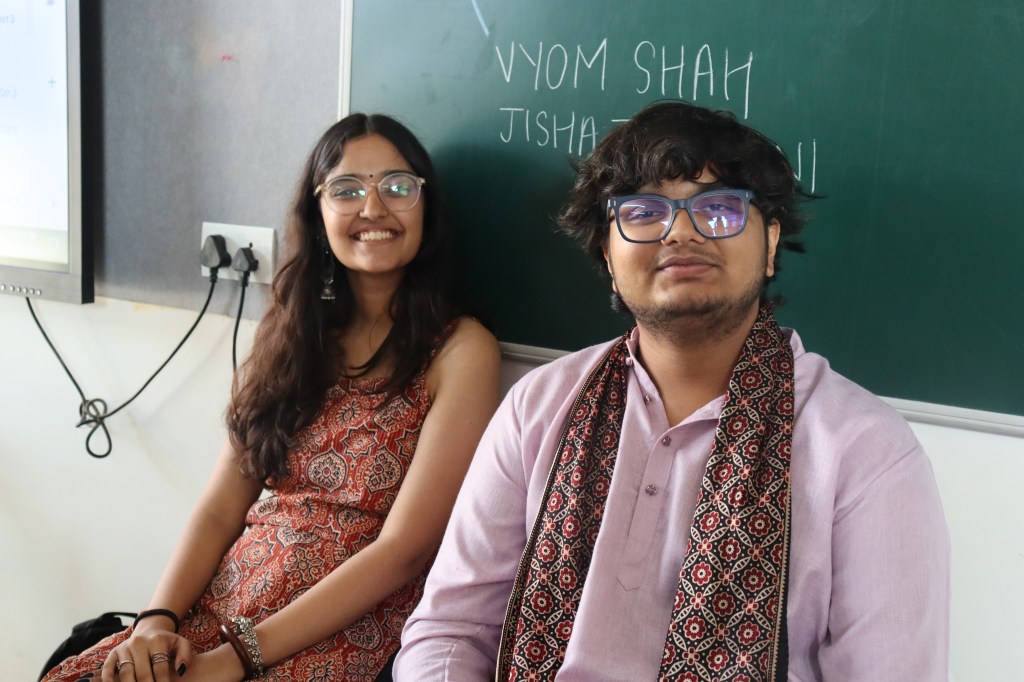
Social Inclusivity– Jisha Tindwani, Vyom Shah
Animal Welfare– Meihika Arya, Nandini Singh
Civic Responsibility– Siya Gopalani, Neev Bhambhani

Event Presidents:
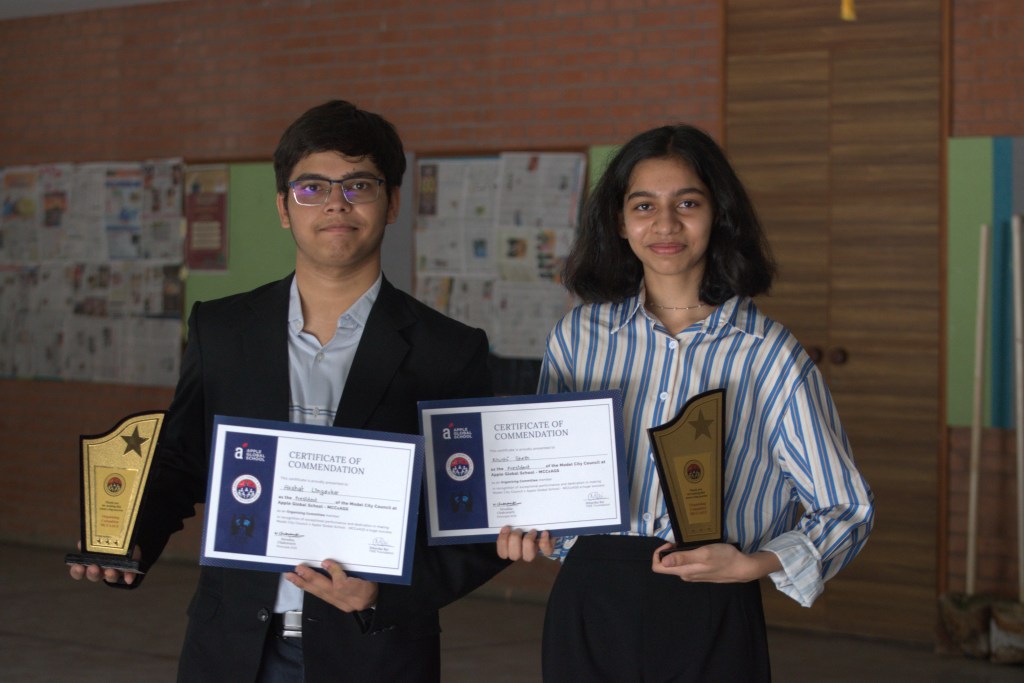
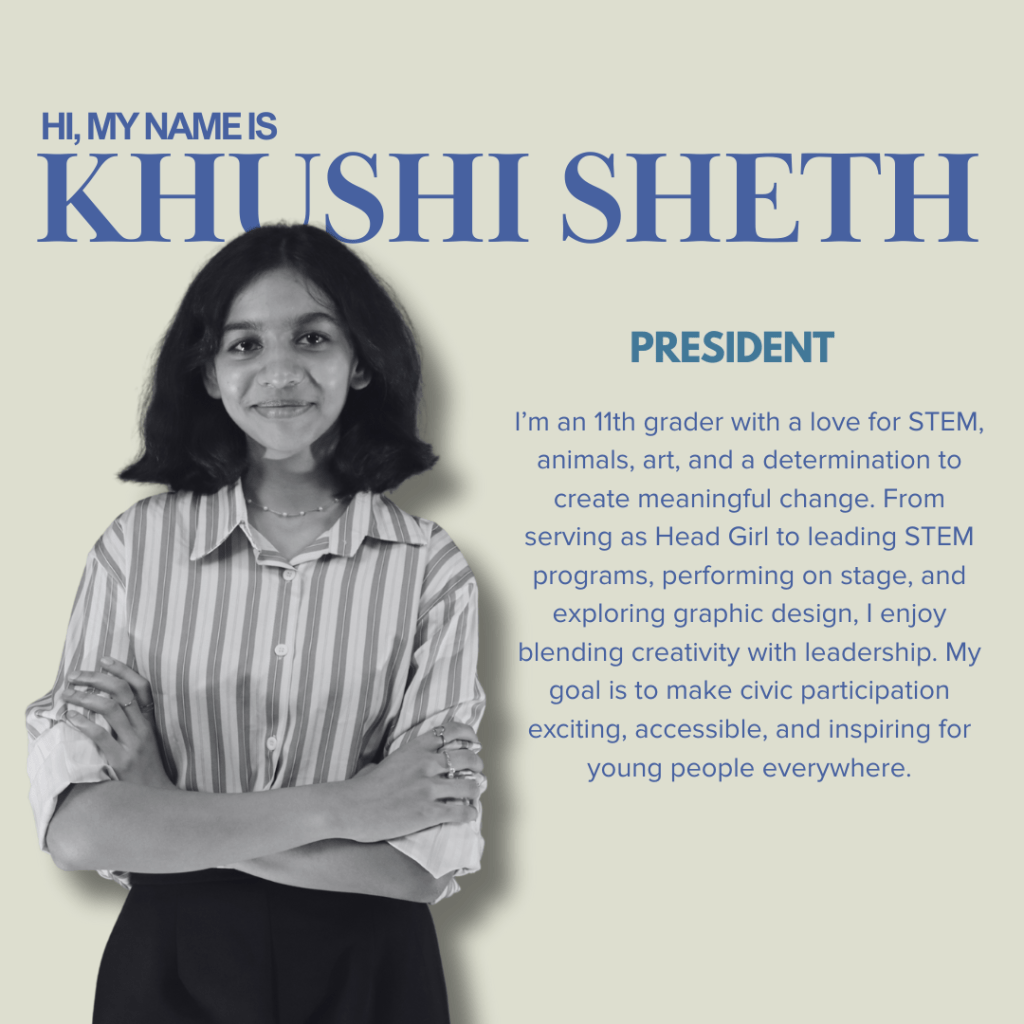
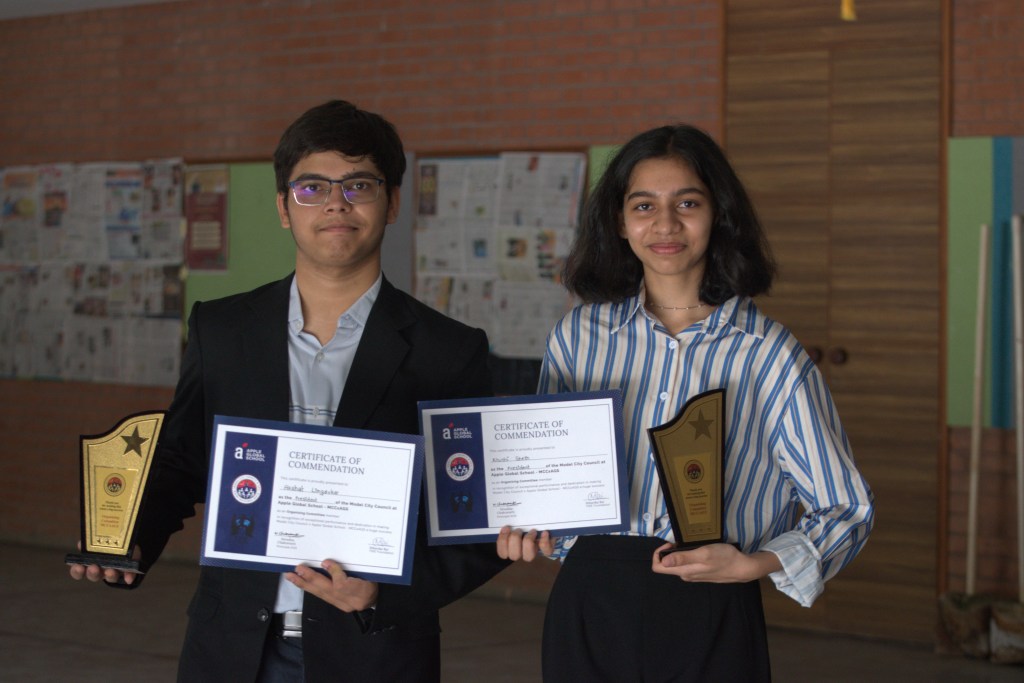
Khushi Sheth , Akshat Limgavkar

Introduction

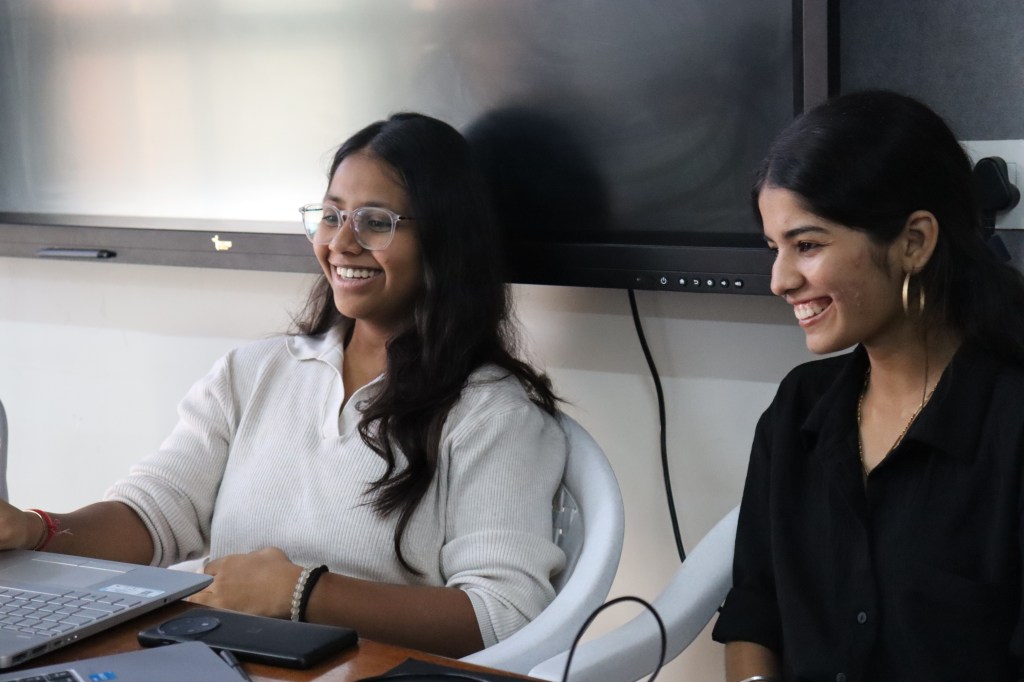
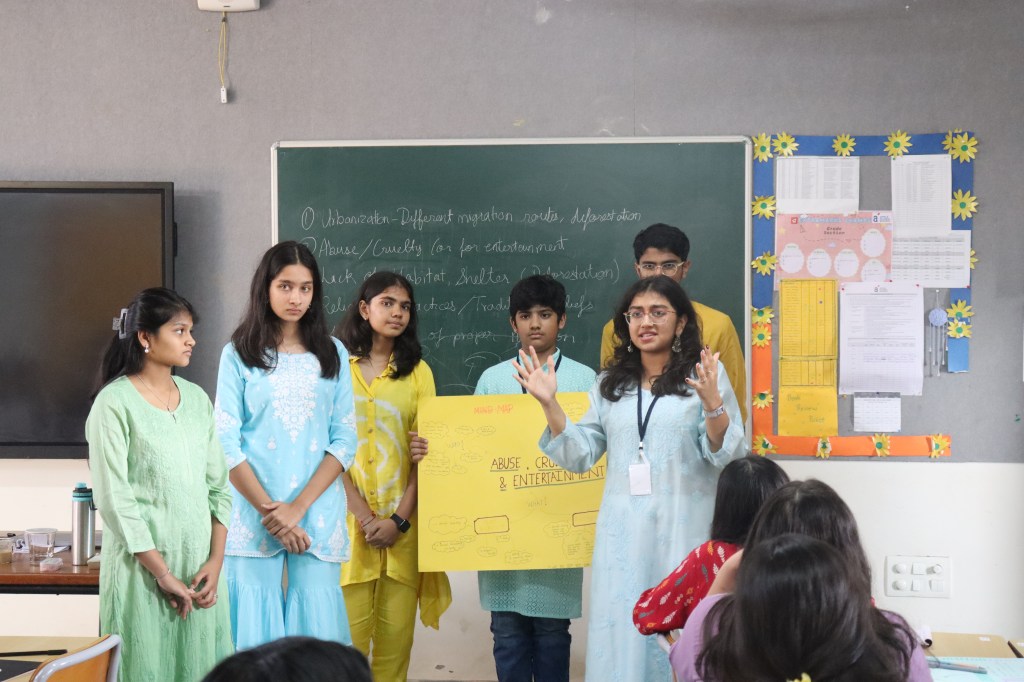
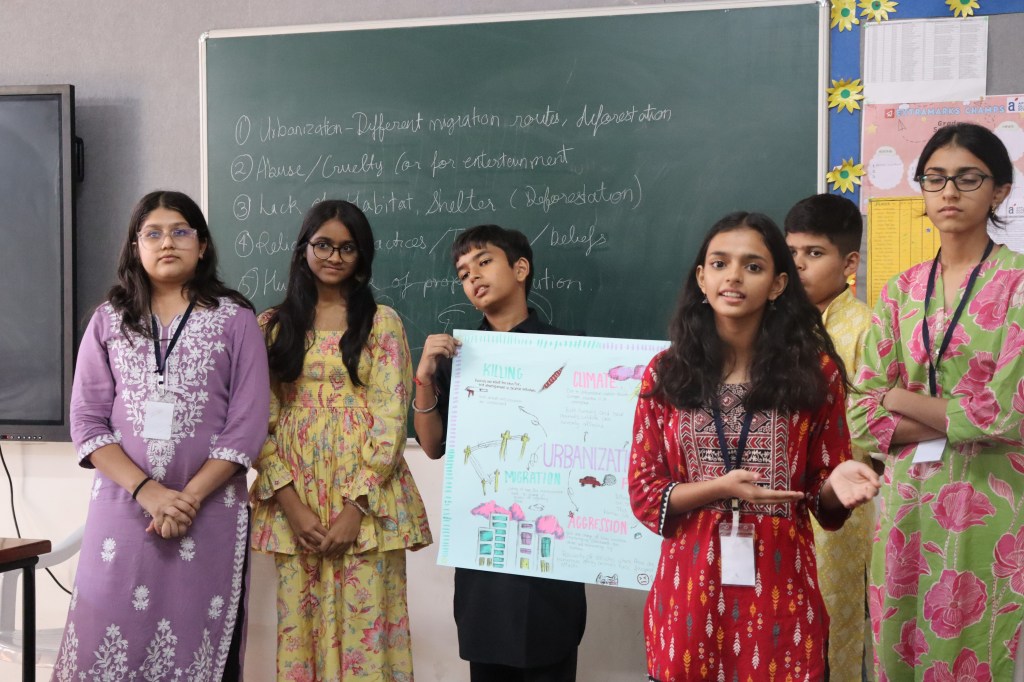
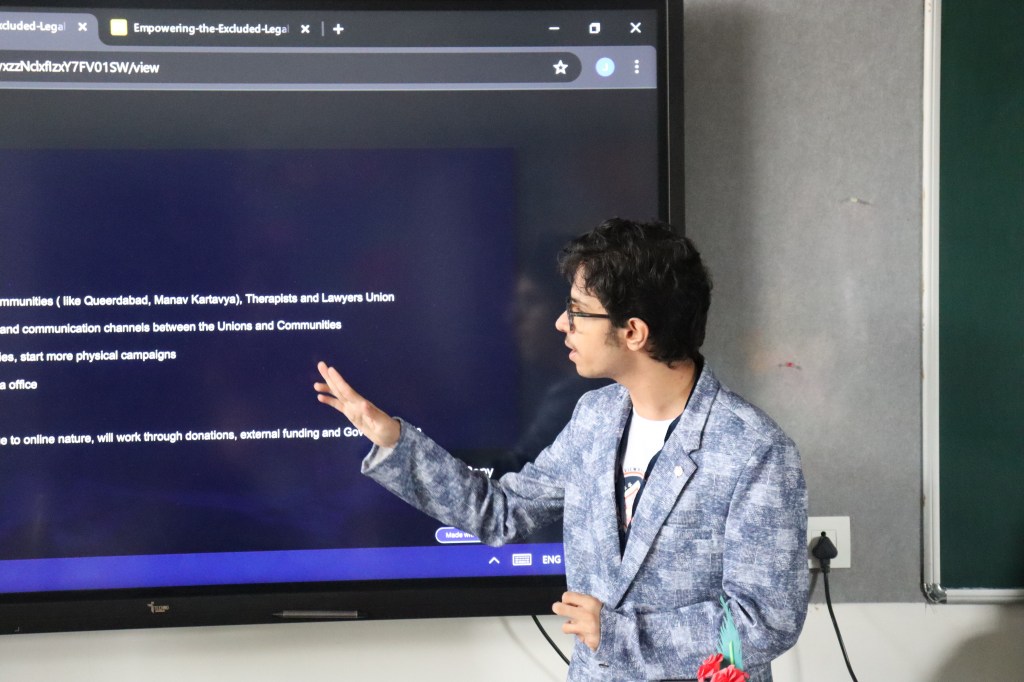
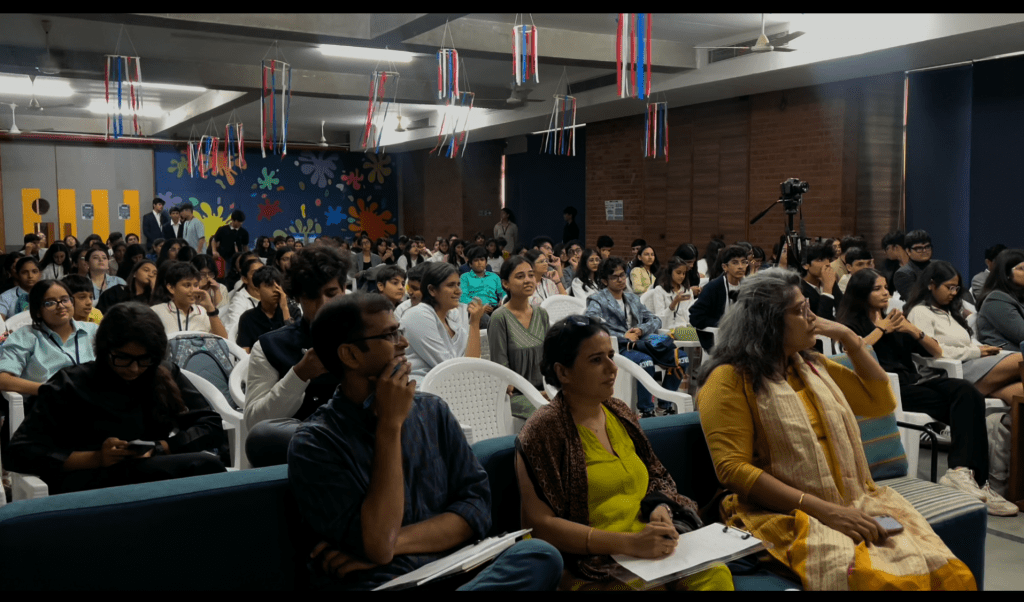
The MCCxAGS conference will be held on October 4-5 at Apple Global School, Ahmedabad.

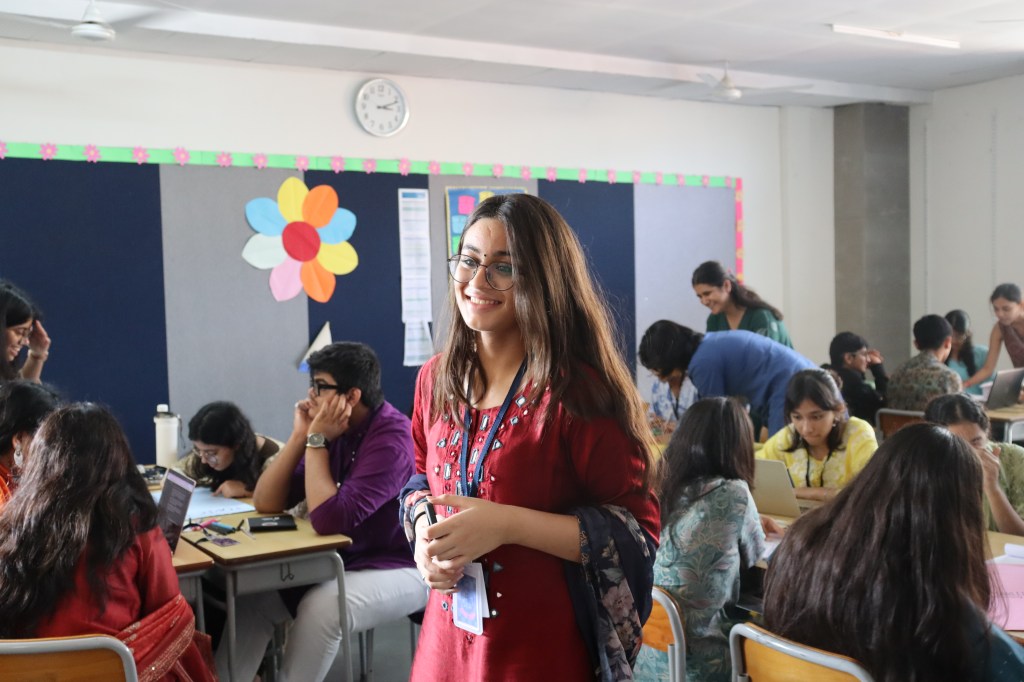
This event offers students a platform to ideate, engage, and take leadership roles in shaping the future of their city.

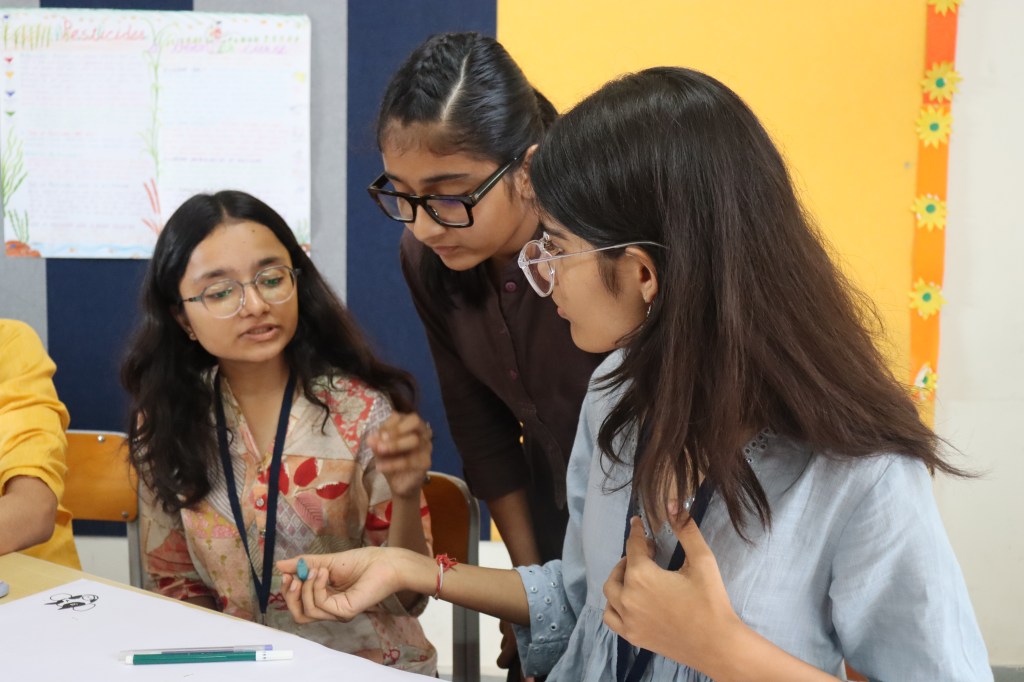
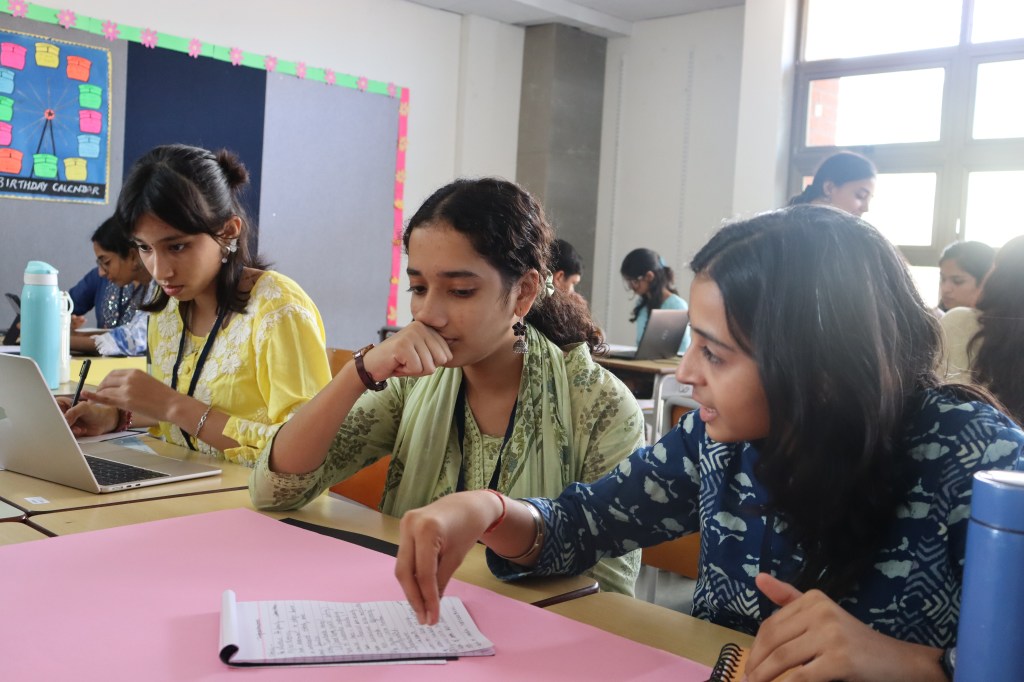
Delegates will represent themselves as responsible citizens of Ahmedabad, working collaboratively to address key urban challenges such as waste management, animal welfare, greener city initiatives, and social inclusion.

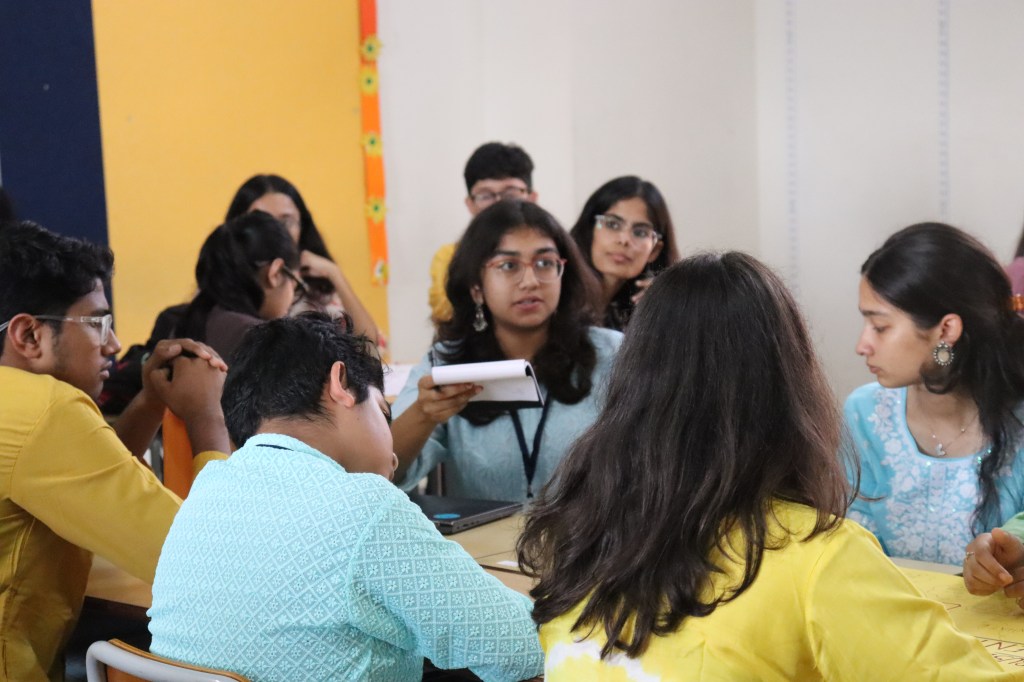
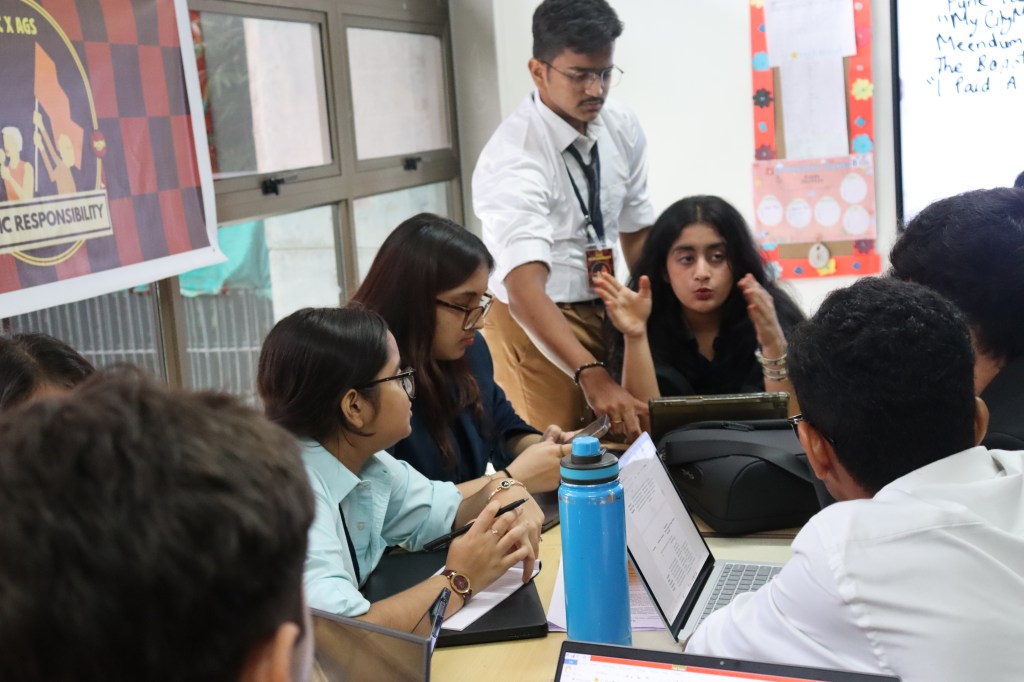
Through council-based deliberations, problem-solving workshops, and interactive sessions, participants will move beyond discussion to actionable solutions that directly connect with the realities of urban life.

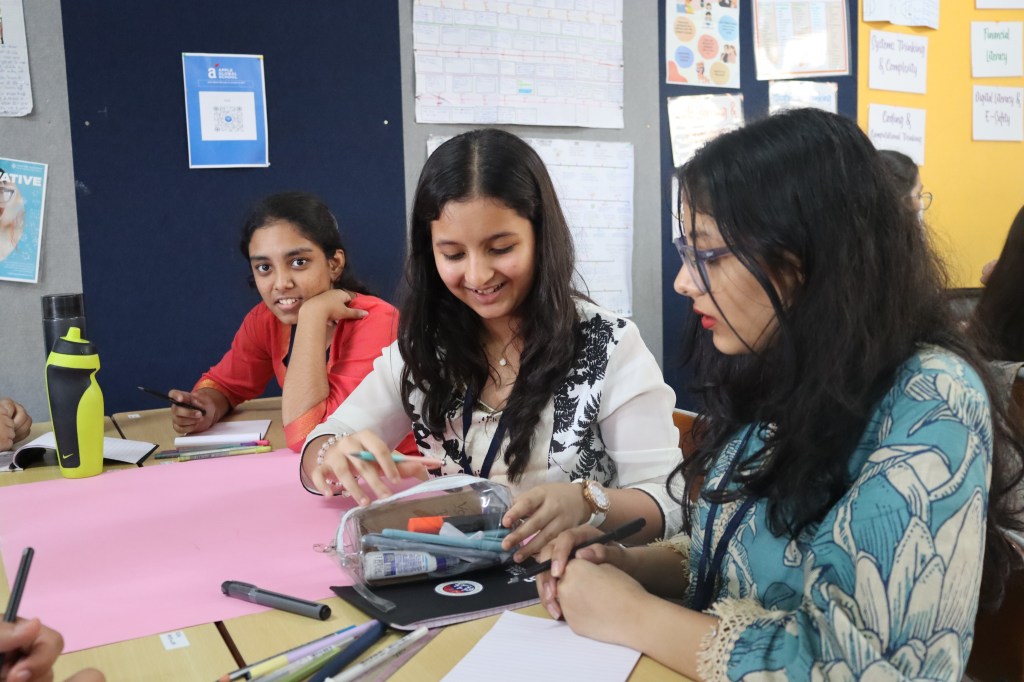
In addition to councils, the conference will also feature orientation sessions, interviews with organizers, and reflective segments that highlight the vision behind MCC. Delegates will have the opportunity to interact with peers from across Ahmedabad, exchange diverse perspectives, and learn how student-led initiatives can drive real change in urban spaces.

The conference is organized by Apple Global School in collaboration with the TIDE Foundation, bringing together innovation, youth leadership, and civic responsibility under one roof.

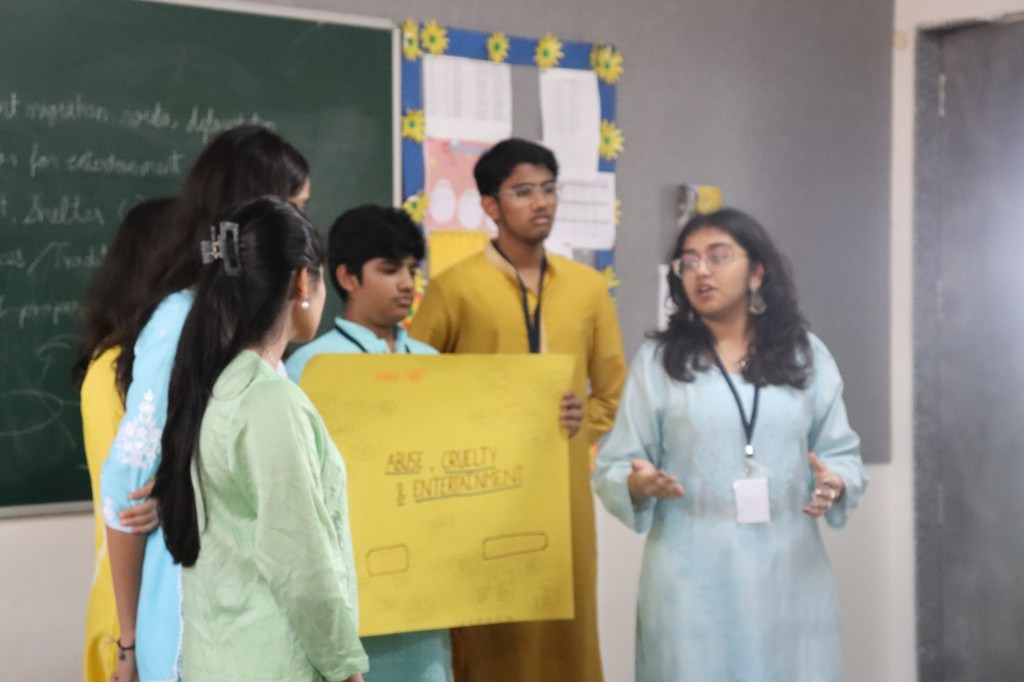
Animal Welfare

The Animal Welfare Committee is focused on promoting compassion and responsible care for animals among Ahmedabad’s students. It will explore ways to support animal well-being and encourage ethical treatment.

  • Identify issues affecting stray, domestic, and wild animals in Ahmedabad.
  • Explore humane, policy-driven, and community-led solutions.
  • Implement action plans to improve animal safety, health, and coexistence.
Social Inclusivity

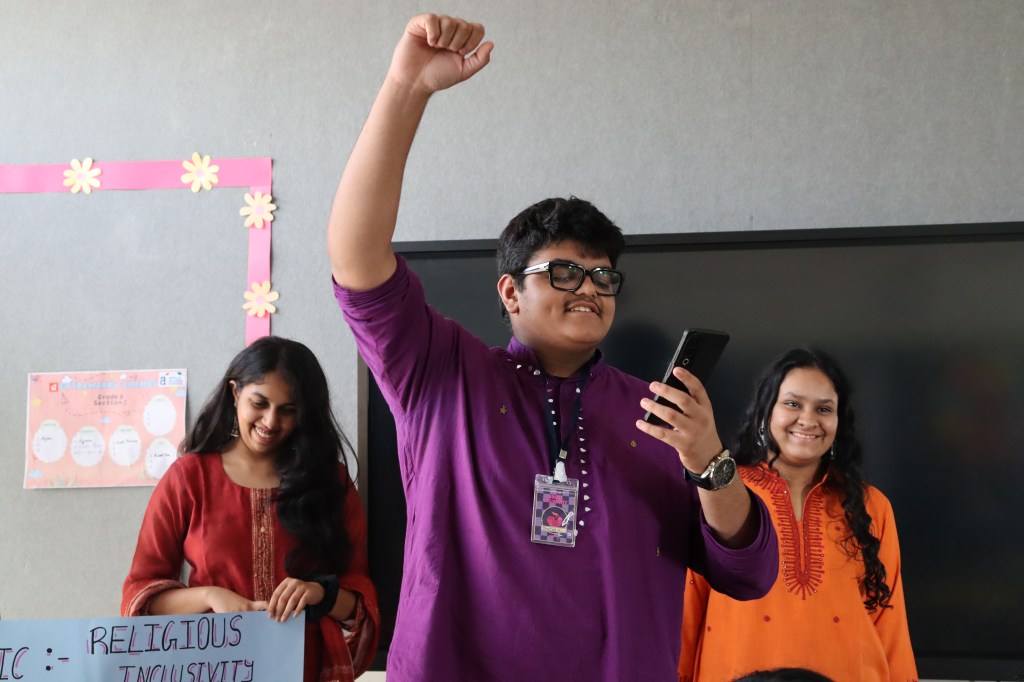
The Social Inclusivity Committee works to ensure every resident of Ahmedabad is respected, represented, and heard, tackling social challenges through collaborative strategies that promote unity and equal opportunity.

  • Identify barriers to social inclusion in Ahmedabad
  • Discuss ways to promote equity and representation
  • Propose community-driven approaches for inclusivity
Waste Management

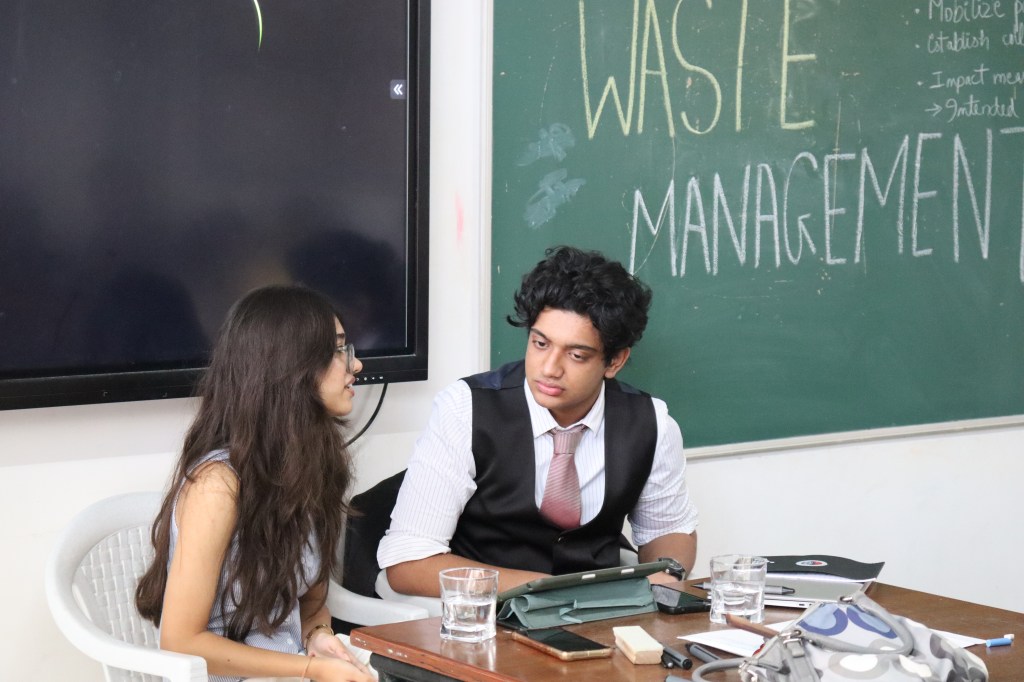
The Waste Management Council focuses on finding practical solutions to improve how waste is handled in Ahmedabad. It will explore ways to reduce waste, promote recycling, and ensure proper disposal.

  • Examine current waste management issues in Ahmedabad
  • Explore practical methods for reduction, reuse, and disposal
  • Propose scalable and sustainable waste solutions
Greener City

The Greener City Council, part of the Model City Council, invites students to tackle Ahmedabad’s sustainability challenges by developing practical, actionable solutions for a greener city.

  • Assess key challenges to preserving and expanding Ahmedabad’s urban greenery.
  • Develop innovative, sustainable, and community-driven strategies.
  • Initiate impactful action plans.
Civic Responsibility

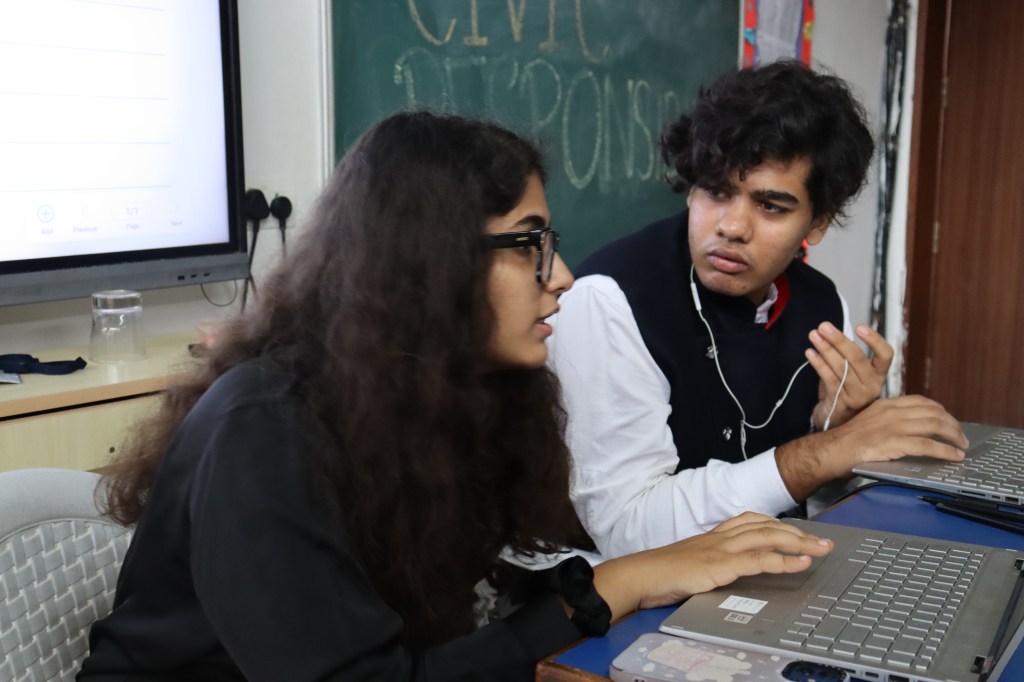
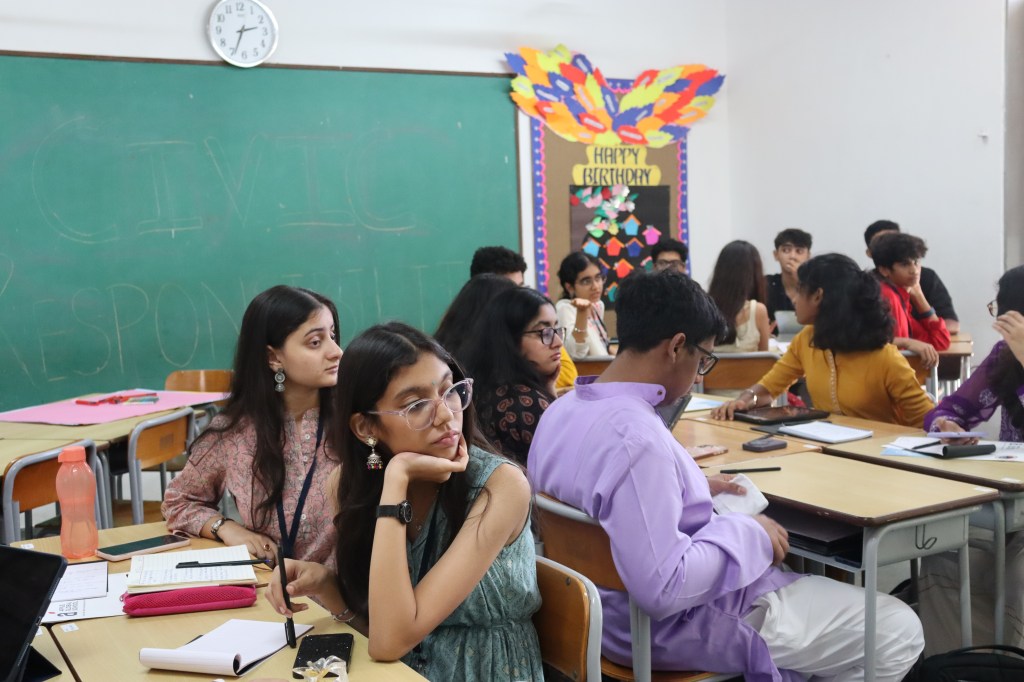
The Civic Responsibility Committee promotes active, responsible participation among Ahmedabad’s students, fostering a culture of accountability and engagement to drive meaningful impact.

  • Map issues related to civic apathy in the city
  • Investigate causes of low participation among students
  • Build actionable plans to increase civic involvement and ownership
Youth for Paws Initiative

The least I can do is speak out for those who cannot speak for themselves

– Dr. Jane Goodall

youth_forpaws

Youth For Paws is a youth-led initiative advocating ethical, humane, and responsible approaches to animal welfare. Together, as student initiatives, we aim to promote practical and compassionate solutions for community and stray dogs through awareness and dialogue.

As youth, we wish to appeal for ethical solutions for stray dogs that focus on coexistence, compassion, and long-term thinking rather than cruelty or removal.

We stand for:
• Ethical and humane solutions
• Coexistence over conflict
• Sustainable, long-term approaches

Write-Ups

Of a familiar memory she was bereft,
Hovering in the air that her wings swept;
Floating just a few feet higher with no time to gloom,
Hovering above the handpicked people in the room.

Dodging the roof, balancing herself on the thin air,
Waving at the larger, shrunken figurines present there;
With the lift of her heels she would rise up standing,
And with the touch of her toes, en pointe, a safe landing.

Standing on the porch, proud of her fluttering venture;
This was only a glimpse of her mystical adventures.

She grew older and found her old, crinkly pages,
A human being, she had become since ages;
Retrieved a piece of her past scribed on paper,
And read a vivid description of her first little caper.

An interesting tale she’d once dreamt about;
She giggled in her humanly grown up voice,
She had believed she could fly, funny choice,
Yet her childhood dream felt peculiarly real;
A hoax by the mind, what a feeling to feel.

The blurred line between a misty memory, being hazed;
And being nostalgic about an unreal past, she was crazed.

Anything could happen in her world of ‘make-believe’,
Yet the world convinced her she dreamed, how naive;
Ironically, a source of magic who did not believe in it,
And so her wonder turned into dust, decaying in her own spirit.

-Khushi Sheth

“A morbid longing for the picturesque at all costs”
(The Secret History – Donna Tartt)

We say ‘you only live once’,
We write our own stories,
Exemplify our own glories;
Until they turn into lies so white,
Until its blinding light blurs your sight;
Do we see them for what they are?
Instead of rocks do we see stars?
Seeing the beauty in cruelty is afterall an illusion,
From childhood escapades, to teenage delusions;
We idealise, idolise, romanticise,
And grave horrors, we normalise;
The prettiest of our vices,
Still come with prices;
We drown in the view, lost,
Mesmerised but at what cost?

By Khushi Sheth

Blog – Women in Aerospace

Women in Aerospace Day (May 20) by Khushi Sheth

On 20th May, we appreciate and acknowledge women in the field of aerospace, a domain that was perceived as male-dominant, and perhaps still is by many. Were you aware of the fact that the first computer algorithm was written by a woman? Yes, in the 1800s, Ada Lovelace designed a code for Charles Babbage’s early mechanical computer, laying the foundation for modern programming. Her visionary work became instrumental for engineers and programmers around the world!

Katherine Johnson was a mathematician who played an integral and unimaginable role in the success of NASA’s first crewed space flight.
Did you know that the US record for the most days in space (over 600!) goes to a woman, Dr. Peggy Whitson?
Valentina Tereshkova was the first woman to space, she flew solo and proved to the patriarchal society that women too could face the psychology and physical extremes of the galaxy.
Today, one of the major stakeholders behind SpaceX’s success is the President and COO, Gwynne Shotwell.

You would probably be aware of the legendary astronauts- Sunita Williams and Kalpana Chawla, two women who are deeply respected for their contributions. Kalpana Chawla became the first Indian-born woman in space and Sunita Williams, of Indian-Slovenian descent, has spent over 300 days in space!
However, these are only a few among the many women who have paved the way to success in aerospace. From engineers, pilots, mission specialists, mathematicians, women always did and still continue to aim for the stars, both literally and figuratively! It is interesting to note that Dr. Ritu Karidhal played a crucial role as the Mission Director for Chandrayaan-3, she also played a key role as the Deputy Operations Director of India’s Mars Orbiter Mission (Mangalyaan) and she was the Project Director for Chandrayaan-2! To honour her contributions, she is also called the “Rocket Woman of India”. Isn’t that inspiring?

People believe that women have begun coming into the STEM arena only recently, but it’s just a highly conceived misconception! Really, they’re getting more political recognition now which makes them stand out. Madam Curie, for instance, was barred from pursuing education, as a political setback, but that did not stop her from winning two Nobel prizes! So, that is why this day is important, to acknowledge the fact that yes, women are currently exceptional in this field but also to highlight that they always have been, despite the sociopolitical setbacks!
Women constitute 20-25% of ISRO’s workforce currently and hopefully, these numbers will increase drastically with more and more passionate women coming forward in this arena!
Women in Aerospace Day reminds us that women have always been integral to scientific progress, even if history may not have always given them the credit they deserve. It reminds us to encourage the new generations to aim, not only for the stars, but for infinity and beyond!

– Khushi Sheth

Blog – Uncertainty in Science

Uncertainty in Science by Khushi Sheth

Knowing newer things in science often comes from the accepted belief that we can not know everything that there is to know about how things are the way that they are. It is a limitation by nature itself. This concept was introduced by German scientist Werner Heisenberg through his ‘Uncertainty Principle’ which applied to microscopic or quantum systems. He discovered that if we know the position of a particle, we can not precisely know its momentum (or its velocity since mass is known; momentum is the product of velocity and mass) and if we know its momentum, we can not precisely know its position. For macroscopic particles, such as ourselves, vehicles, tennis balls and so on, the masses of these objects are significantly high, therefore, the uncertainty in measurement is insignificant. Yet this concept challenges the notion that every scientific or fundamental concept of nature is comprehensible to human beings.

The mass of a body and the charge of a particle are two of the most fundamental and inherent properties of matter. It is astonishing to note that there are no widely accepted laymen definitions to these properties, even though they are so common and intuitive. We know that a body(matter) has mass and that charges on particles are either negative or positive in nature; but we can define these properties further. Philosophy, interestingly, is very similar in this aspect. What is life? ‘The state of being alive’, we answer immediately. However, when we are asked to define what ‘alive’ is, we say ‘having life’.
The more we believe we know, the less we actually do. Uncertainty is found, not only in the measurement of microscopic bodies, but also in epistemology, in history and in meaning. Thus, it makes sense that science, religion, history etc. are all interpretations — ways for human beings to make sense of the physical world around them.

There comes the scientific way of thinking— which despite popular belief, does not disagree with religion, tradition or philosophy but only questions it. Uncertainty exists in all ways of thinking: scientifically, philosophically, traditionally, etc. We do not definitely know how we know things, what the nature of reality is and what morals or ethics really are. Knowledge may be probabilistic or incomplete.
The ‘Copenhagen Interpretation’ debated whether such uncertainty was a fundamental limitation of nature or a limitation of measurement. Through this interpretation, scientists Bohr and Heisenberg hypothesised that quantum entities do not exist in a single state but rather in a superposition of all states, until they are observed. When they are observed, they collapse into one particular state. A very popular anecdote regarding this theory was the ‘Schrodinger’s Cat’ example. Here, Erwin Schrodinger rephrased the Copenhagen Interpretation, in simpler terms, to a cat inside a box with a vial of poison that would open at any unknown point in time. He argued that according to said interpretation, until the box was opened, the cat could be assumed to be both dead and alive, and only when the box was opened did the fate of the cat get sealed. This experiment wasn’t a supporting example but rather an attempt to point out the absurdity of applying quantum principles to everyday life. Albert Einstein, too, disagreed with the concept that reality was dependent upon an observer and acknowledged that quantum theory needed a deeper understanding of reality.

Like the Copenhagen Interpretation, other counter-intuitive interpretations came into play; leading to a larger view called the ‘Many-Worlds Interpretation’ or as we commonly know now — the ‘Multiverse Theory’, where our universe exists in multiple states at once until someone observes it. For example, in another Universe that exists parallelly, I may have accepted the job offer that I rejected and lived a completely different life, but that reality does not exist when my current one does. This interpretation implies the existence of an observer that makes the system collapse into one particular timeline, leading to more and more theological debates.

Perhaps it is not that human beings are ‘intellectually superior’ to other animals but that we more readily attempt to interpret the world around us— though it may be incomprehensible to our minds and thus, we may be wrong. However, that can not be known certainly either! (Hence the paradox) For instance, we know the three dimensions of space as the x, y and z planes. The fourth dimension is believed to be time— a superposition of space, similar to the multiverse theory. However, going beyond 4–5 dimensions, the rest becomes incomprehensible to human beings. Consciousness may just be the next step in evolution, as it has already been linearly increasing; it may just peak in the evolutionary process. Afterall, there is more to evolution than appendices, tailbones and upright spinal cords.

– Khushi Sheth